
A Cultural Milestone: Dubai’s Museum of the Future Is More Than a Spectacle
Since opening its doors in 2022, Dubai’s Museum of the Future has done more than capture the world's architectural imagination. It has positioned the emirate as a serious player in the global conversation around innovation, technology, and speculative thought. It is no small feat for a city often viewed through the prism of luxury and commerce.
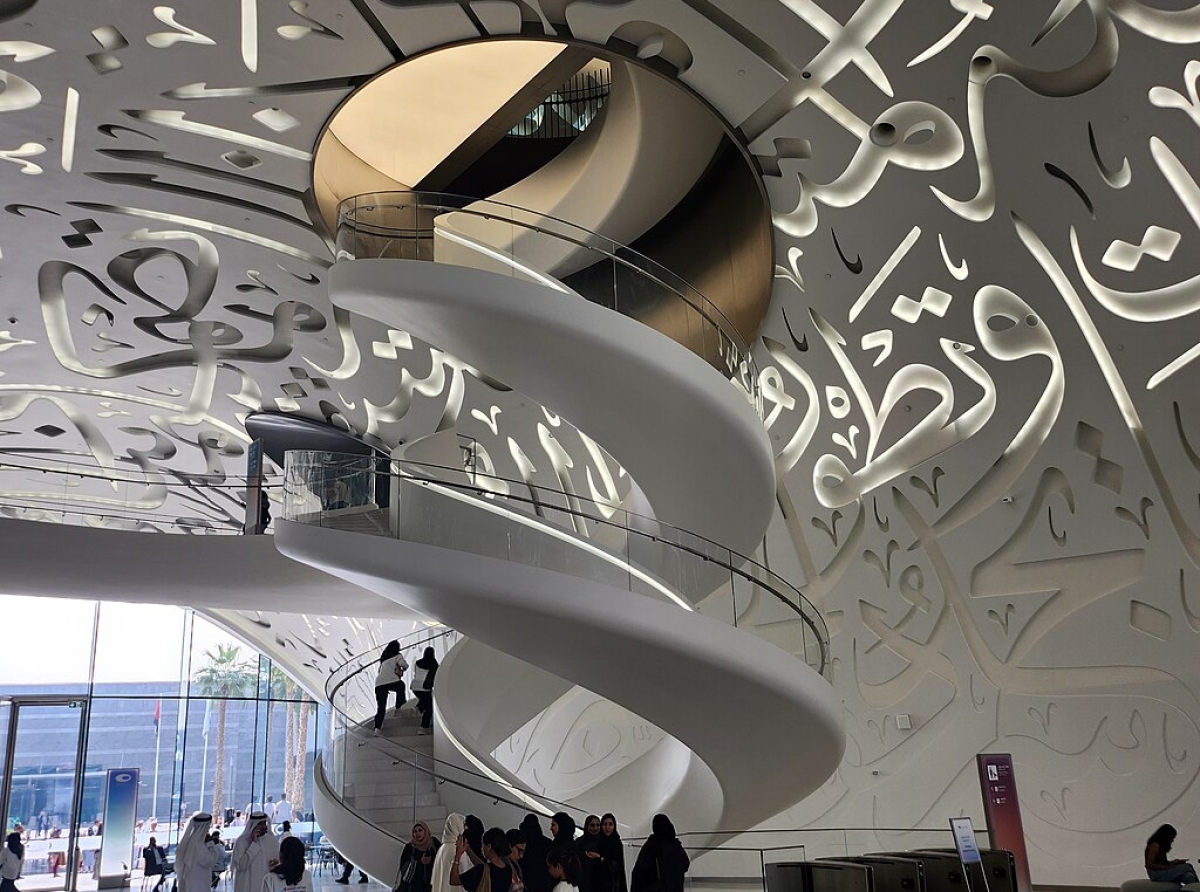
Housed in an elliptical structure etched with Arabic calligraphy and dubbed “the most beautiful building on Earth” by His Highness Sheikh Mohammed bin Rashid Al Maktoum, the museum is not merely a monument to design—it is a forward-looking institution with a clear intellectual agenda.
Inside, the exhibits span topics such as artificial intelligence, space exploration, climate change, and bioengineering. Unlike traditional museums, it resists nostalgia. It is unapologetically focused on the decades to come, encouraging young visitors to envision themselves as participants in shaping the future.
More importantly, it reflects the UAE’s broader national priorities: investing in knowledge economies, fostering STEM education, and building a generation of thinkers, makers, and doers. The museum’s integration with schools and universities across the country underscores this vision.
Still, for such a bold project to realize its full potential, it must remain more than an attraction. The museum should evolve into a hub for research, cross-cultural dialogue, and policy incubation. This means hosting global scholars, publishing original research, and addressing the ethical dilemmas that accompany technological progress.
The Museum of the Future has already established itself as a landmark achievement in design and ambition. What remains is for it to deepen its role—as a catalyst for thought, a space for discovery, and a driver of meaningful innovation that serves not only the region, but the world.
Photo credits: Wikipedia
Oksana Bozhko is a Contributor to Dubai Voice.

Oksana Bozhko

Vladyslava Garkusha
Disclosure: Dubai Voice enhances the editing process with the help of carefully selected AI tools. These tools provide valuable support without taking over the editing process completely, ensuring that the final product is the result of human creativity and expertise augmented by the benefits of enhanced technology. This article is protected under the copyright of Dubai Voice. Unauthorized reprinting, republishing, or rewriting of this content is strictly prohibited without explicit permission from Dubai Voice. Quotations from this material are permissible provided that a direct link to the full article on Dubai Voice is included.