


23.96°C

The People

All Stories

Dubai’s Quiet Influence on the Modern Athlete

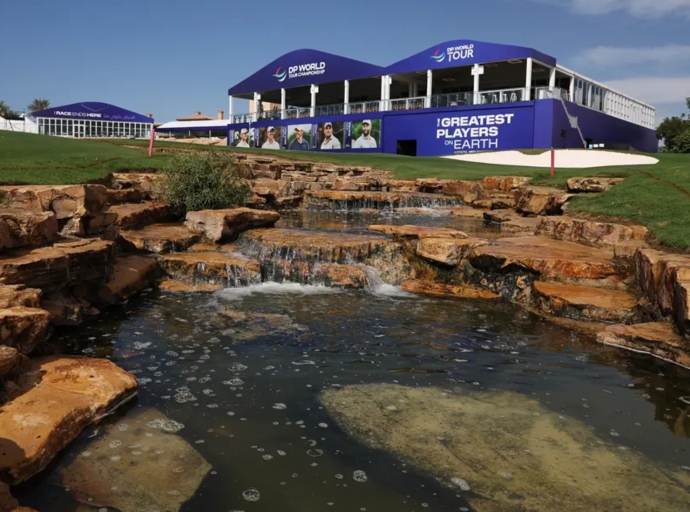
In the global economy of sport, attention often follows medals and scorelines. Less visible, but increasingly consequential, are the places where athletes prepare when no cameras are present. Over the past two decades, Dubai has emerged as one of those places - less a spectacle than an infrastructure of performance.

This is not an accident of branding. Dubai hosts established international competitions across tennis, golf, rugby and endurance sports, events sanctioned by global federations and embedded in official professional calendars. These tournaments did not arrive fully formed; they followed sustained investment in facilities, logistics and sports governance that meet international standards. Athletes come because the conditions allow them to work, not because the spotlight demands it.

Elite performance today is shaped as much by recovery and data as by raw talent. Dubai’s appeal lies in its integration of sports medicine, climate-controlled training environments and year-round access to facilities. These are not luxuries but necessities in an era when careers are longer, margins are thinner and injury prevention can define success. The city’s role mirrors a broader shift in global sport: preparation has become as decisive as competition.

For regional athletes, the implications are particularly significant. Access to world-class infrastructure at home reduces the historical need to relocate abroad for development. This matters not only for individual careers but for the sustainability of sporting ecosystems. National programs in the Gulf increasingly emphasize long-term athlete development, aligning with models used by established sporting nations.

Dubai’s influence does not rest on rewriting the rules of sport, but on respecting them. Its rise reflects a pragmatic understanding shared across elite athletics: performance follows systems, not slogans. As global sport continues to professionalize, cities that invest quietly and consistently in those systems will shape outcomes long before the podium.

Photo credits: Today’s Golfer. DP World Tour Championship 

Image
Oksana Bozhko

Oksana Bozhko is a Contributor to Dubai Voice.

Dubai’s Quiet Influence on the Modern Athlete

Hussain Sajwani: Dubai Billionaire and Real Estate Pioneer

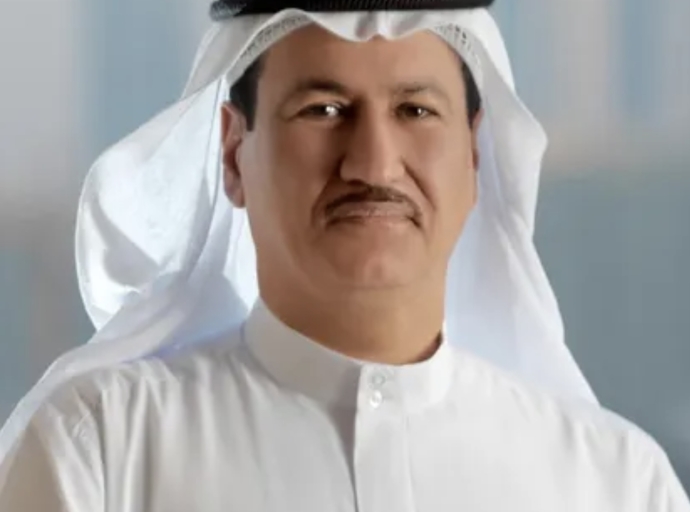
Hussain Sajwani is an Emirati billionaire entrepreneur best known as the founder and chairman of DAMAC Properties, one of Dubai’s most prominent luxury real estate developers. He has played a significant role in shaping Dubai’s property market and expanding its global footprint.

Early Life and Career Beginnings

Sajwani was born in the early 1950s in the United Arab Emirates and is a UAE national. He earned a bachelor’s degree in economics from the University of Washington in Seattle. After graduating, he returned to the Gulf and started his own businesses, initially in food services. His catering company grew to serve major clients, including the U.S. military and large construction firms.

Founding DAMAC Properties

In 2002, after Dubai opened up its property market to foreign ownership, Sajwani established DAMAC Properties. The company focused on luxury residential and commercial real estate, capitalizing on Dubai’s rapid growth as a business and tourism hub. In its first project, units were reportedly sold in less than six months - a sign of the strong demand for high‑end properties at the time.

Under his leadership, DAMAC has developed tens of thousands of homes and commercial units and created large mixed‑use communities. The firm also forged high‑profile collaborations with global luxury brands such as Versace, Cavalli, and Bugatti for branded residences, enhancing Dubai’s reputation as a centre for luxury living.

Dubai and Global Expansion

Although DAMAC is based in Dubai, its projects extend beyond the UAE. The group has had developments in Saudi Arabia, the United Kingdom, the United States, and other international cities. It also expanded into related sectors such as hotel management, operating properties under partnerships with brands like Radisson and Paramount Hotels.

In the 2010s, DAMAC briefly listed publicly - first on the London Stock Exchange and later on the Dubai Financial Market - before Sajwani took the company private again in 2022 by acquiring the remaining shares.

Net Worth and Recognition

As of early 2026, Sajwani’s net worth was estimated at around $10.2 billion, placing him among the world’s wealthiest individuals and one of the richest Arabs, according to Forbes’ billionaire rankings.

Philanthropy and Broader Interests

Beyond real estate, Sajwani and his group have diversified interests. These include investments in data centres, luxury fashion and jewellery brands (such as Roberto Cavalli and de GRISOGONO), and private equity markets.

He is also involved in philanthropic initiatives through the Hussain Sajwani - DAMAC Foundation, which supports education and technology learning programs in the Arab world.

Legacy in Dubai

Sajwani’s business journey mirrors much of Dubai’s transformation over the past two decades, from a regional trading port to a global city known for luxury real estate, tourism, and investment. His work with DAMAC has left a visible imprint on the skyline and helped bolster Dubai’s appeal to international investors.

Photo credits: Forbes. Hussain Sajwani

Image
Oksana Bozhko

Oksana Bozhko is a Contributor to Dubai Voice.

Hussain Sajwani: Dubai Billionaire and Real Estate Pioneer

Muna Al Gurg: Architect of Cultural Institutions and Women’s Empowerment

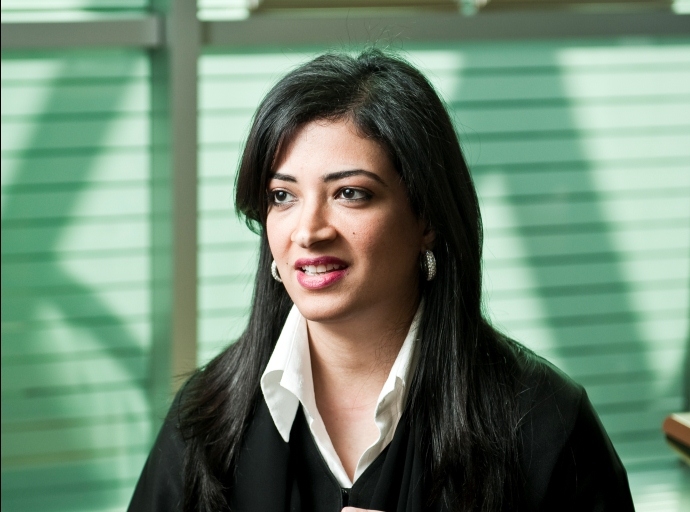
Few figures embody the intersection of business acumen, cultural stewardship, and philanthropy like Muna Easa Al Gurg. As Vice Chairperson and Director of Retail at the prominent Easa Saleh Al Gurg Group, she commands one of the UAE’s most influential family conglomerates while simultaneously steering key cultural institutions shaping Dubai’s heritage narrative.

In 2017, Al Gurg was appointed Managing Director of the Dubai Museums Company, a pivotal role overseeing world-class sites such as the Etihad Museum, Al Shindagha heritage district, and the futuristic Museum of the Future. Under her leadership, these venues have not only attracted millions of visitors but also fostered a renewed public engagement with Emirati history, innovation, and identity. 

An avid art collector and patron, Al Gurg is a regular speaker at international platforms like Art Dubai, where she champions regional artists and promotes cultural dialogue between the Middle East and the world. Her efforts through the Meem Foundation and scholarship programs at institutions like the London Business School emphasize female entrepreneurship and economic inclusion, reflecting her dedication to expanding women’s roles in all sectors.

Her multifaceted leadership—spanning retail, museums, art, and education—illustrates how Dubai’s cultural renaissance is driven by visionary women who combine heritage preservation with forward-thinking innovation.

Photo credits: Wikipedia. Muna Al Gurg. 

Image
Oksana Bozhko

Oksana Bozhko is a Contributor to Dubai Voice.


Muna Al Gurg: Architect of Cultural Institutions and Women’s Empowerment

Elham Al Qasimi: Breaking Boundaries from the Poles to the Boardroom

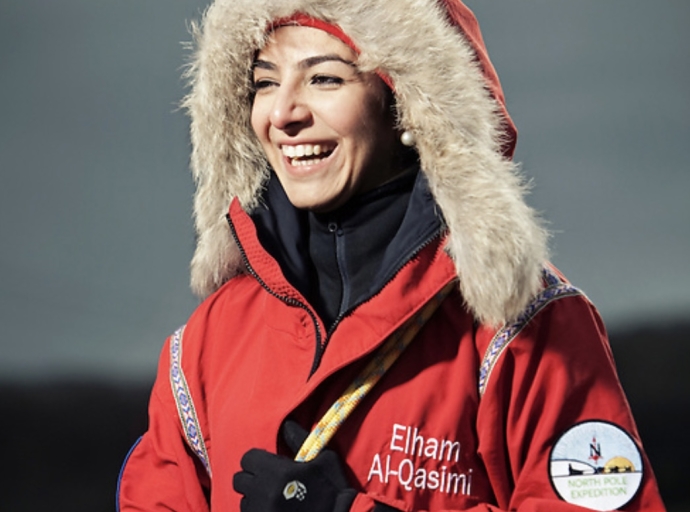
Elham Al Qasimi is a name synonymous with firsts and fearless determination. Born in 1982, she shattered cultural expectations and physical barriers by becoming the first Arab woman and first Emirati to reach the North Pole in April 2010, completing the expedition unsupported and unassisted—a feat demanding extraordinary endurance, resilience, and preparation.

Al Qasimi’s journey began with rigorous physical training and mental conditioning, reflecting a mindset forged in Dubai’s transforming social landscape. Her achievement not only put Emirati women on the global adventure map but also challenged prevailing narratives about gender roles in the region. It positioned her as a beacon of possibility and empowerment for young women eager to transcend traditional boundaries.

Beyond exploration, Elham combines her passion with academic rigor. She holds an MSc from the London School of Economics in NGO management, underscoring a commitment to social impact and leadership. Though not a visual artist or designer, her story resonates deeply within Dubai’s creative renaissance, symbolizing courage, innovation, and the pursuit of excellence.

Al Qasimi continues to inspire through speaking engagements, advocating for youth empowerment and climate awareness. Her blend of daring adventure and intellectual engagement embodies the spirit of a new generation of Emirati women who are reshaping what it means to lead—whether in art, science, or social change.

Photo credits: Prabook. Elham Al Qasimi

Image
Oksana Bozhko

Oksana Bozhko is a Contributor to Dubai Voice.

Elham Al Qasimi: Breaking Boundaries from the Poles to the Boardroom
HELP
PARTNERSHIPS
Image