



Rethinking the Urban Future: Dubai’s Commitment to 20-Minute City Living
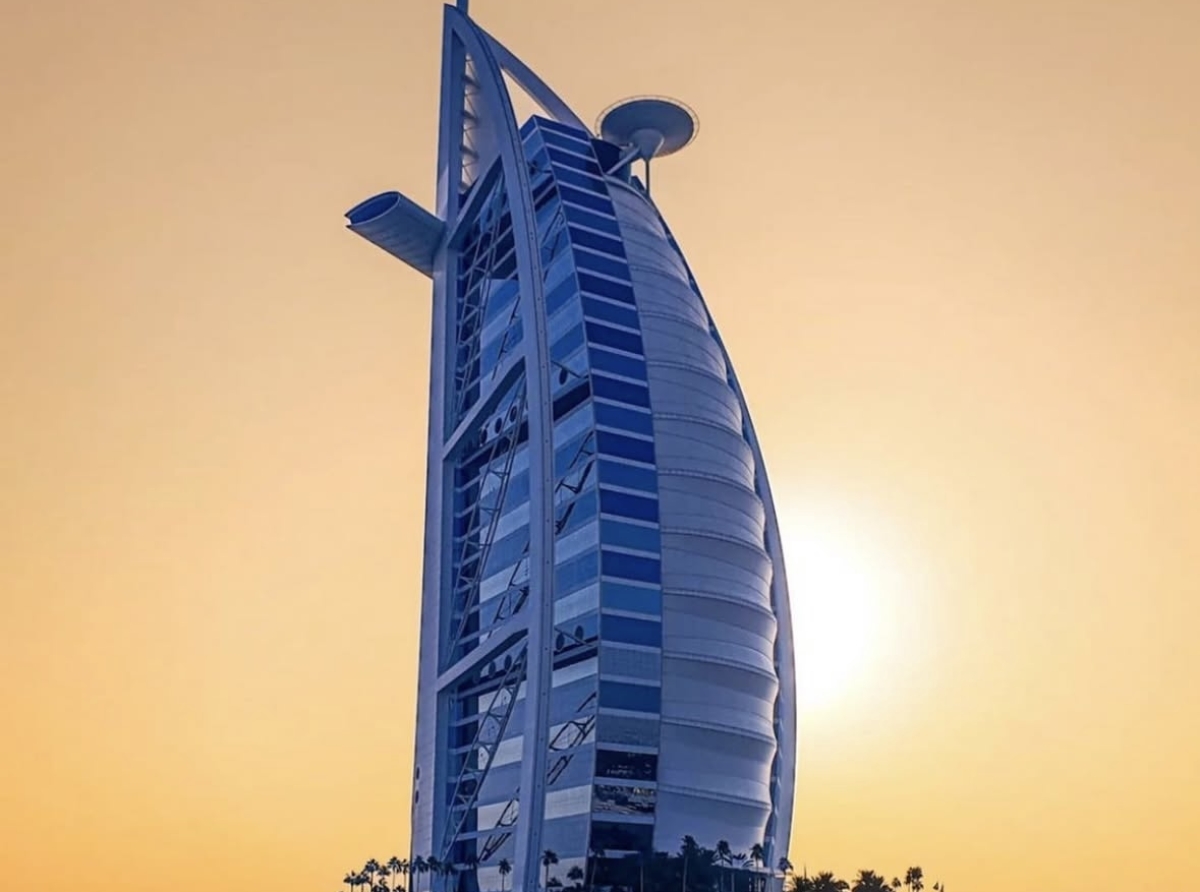
Dubai has long been synonymous with architectural ambition, futuristic skylines, and bold urban planning. Now, with the city's embrace of the “20-Minute City” concept—introduced as part of the Dubai 2040 Urban Master Plan—the emirate is laying the groundwork for an urban future defined not just by scale, but by human-centric design.
The goal is clear: to ensure that 80% of residents can access their daily needs—work, school, healthcare, and leisure—within a 20-minute walk or bike ride. If achieved, this would mark a transformative shift from car-dependent sprawl toward integrated, sustainable living.
Implemented correctly, the 20-minute city model could redefine quality of life in the region. It promotes environmental sustainability through reduced emissions, supports small and local businesses, and fosters a greater sense of community. In a city where rapid growth has often outpaced public infrastructure, this policy represents a welcome recalibration.
But the promise lies not in rhetoric, but in execution. To succeed, the initiative must invest heavily in walkability, public transportation, shaded pedestrian corridors, and mixed-use zoning. Crucially, development must prioritize affordability to avoid creating a two-tiered system where only certain neighborhoods benefit.
As Dubai continues its journey toward becoming a global benchmark for livability, its leaders would do well to remember that a 20-minute city is not simply a planning goal—it is a social contract. One that must serve every resident.
Photo credits: Dubai Instagram
Oksana Bozhko is a Contributor to Dubai Voice.

Oksana Bozhko

Vladyslava Garkusha
Disclosure: Dubai Voice enhances the editing process with the help of carefully selected AI tools. These tools provide valuable support without taking over the editing process completely, ensuring that the final product is the result of human creativity and expertise augmented by the benefits of enhanced technology. This article is protected under the copyright of Dubai Voice. Unauthorized reprinting, republishing, or rewriting of this content is strictly prohibited without explicit permission from Dubai Voice. Quotations from this material are permissible provided that a direct link to the full article on Dubai Voice is included.