


The Gulf’s Quiet Recalibration
The transformation of the Gulf economies is neither sudden nor superficial. It is a deliberate, long-term disentanglement from decades of hydrocarbon dependency - charted not through proclamations but through ports, satellites, electric vehicles, and artificial intelligence labs.
What began as oil-funded ambition is now materializing in physical infrastructure and institutional reform. Dubai’s thriving free zones, Abu Dhabi’s clean energy and AI corridors, and Saudi Arabia’s $500 billion NEOM project are not vanity ventures. They are components of a broader, carefully engineered strategy to reposition the region’s economic identity.
Yet in much of the West, the narrative remains static: Gulf nations as petro-states, rich but rigid. This framing overlooks the scale of structural change now underway. The real shift is in sovereign wealth funds prioritizing ESG, in regional universities partnering with global research centers, and in early-stage commitments to green hydrogen and quantum computing.
This pivot is not merely about economic diversification. It is a bid for relevance - a transition from commodity capital to human and intellectual capital.
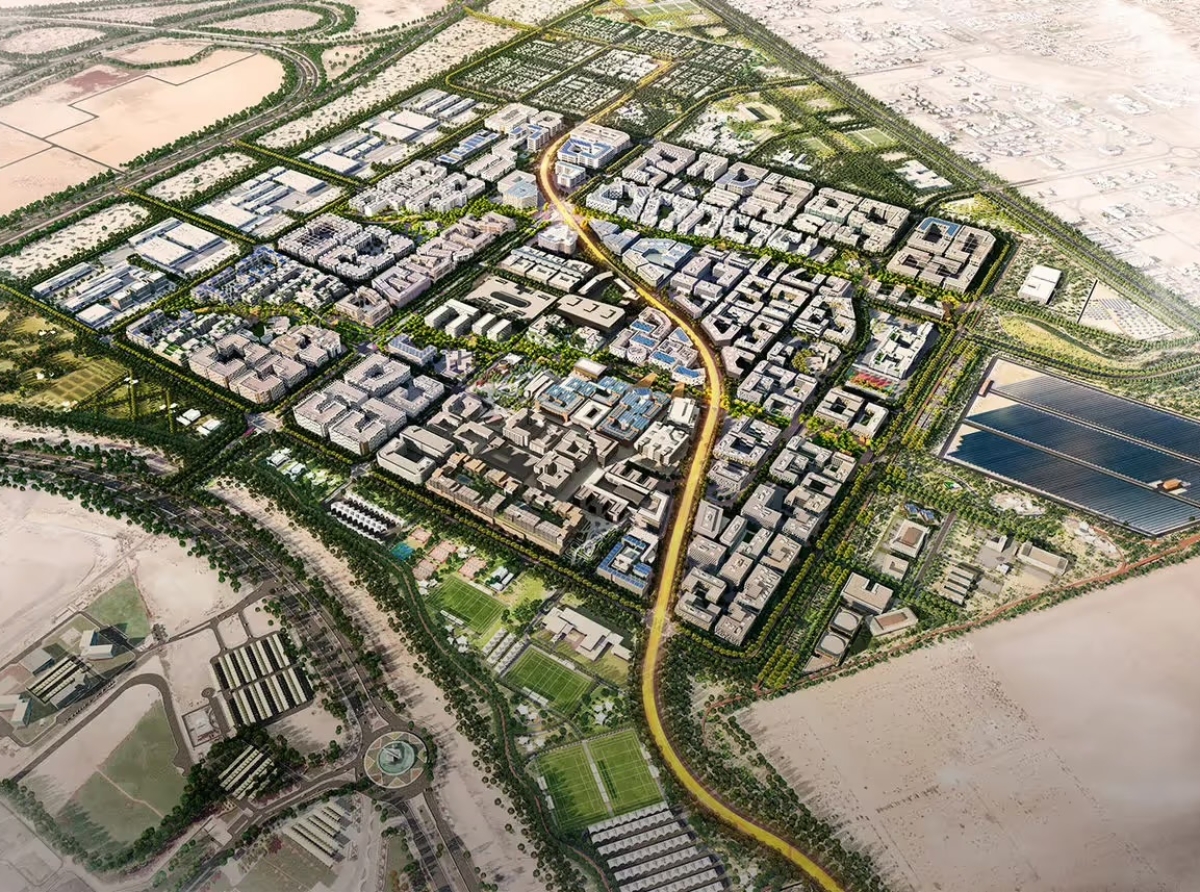
Photo credits: Abu Dhabi Off Plan. Masdar City. Abu Dhabi
Oksana Bozhko is a Contributor to Dubai Voice.

Oksana Bozhko

Vladyslava Garkusha
Disclosure: Dubai Voice enhances the editing process with the help of carefully selected AI tools. These tools provide valuable support without taking over the editing process completely, ensuring that the final product is the result of human creativity and expertise augmented by the benefits of enhanced technology. This article is protected under the copyright of Dubai Voice. Unauthorized reprinting, republishing, or rewriting of this content is strictly prohibited without explicit permission from Dubai Voice. Quotations from this material are permissible provided that a direct link to the full article on Dubai Voice is included.