

Dubai Approves $4.9 Billion Development Package, Led by Major Roadway Expansion
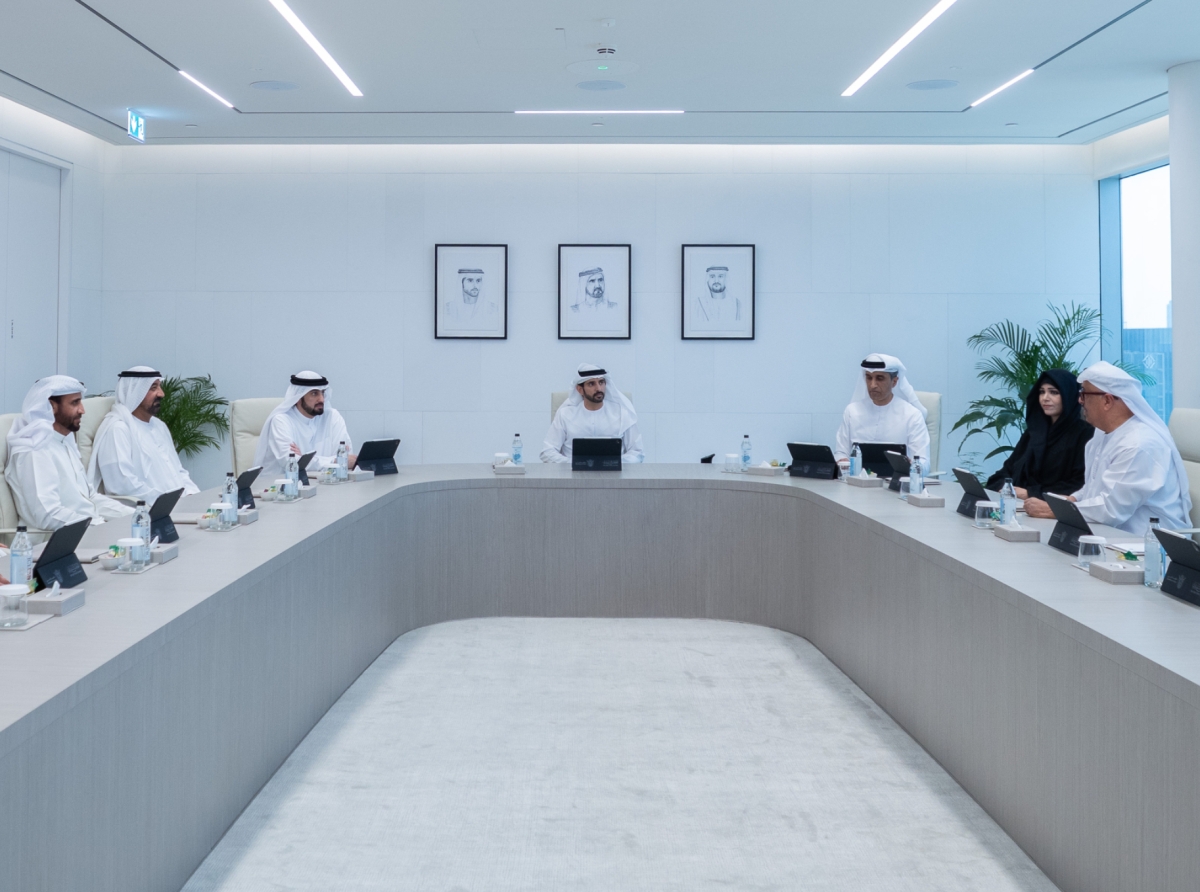
Sheikh Hamdan bin Mohammed bin Rashid Al Maktoum, Dubai’s Crown Prince, Deputy Prime Minister, and Minister of Defence, has approved an 18 billion dirham (approximately $4.9 billion) package of strategic initiatives targeting municipal infrastructure, cultural investments, and economic modernization.
The Executive Council’s newly authorized projects feature the First Al Khail Street Development Plan, a major transport corridor intended to run parallel to Sheikh Zayed Road. The infrastructure project centers on a 15-kilometer elevated, six-lane overpass designed to add an hourly capacity of 9,000 vehicles and reduce peak-hour congestion by 51 percent. Construction is scheduled to begin in the third quarter of 2027, with completion projected by the end of 2030.
Among the other municipal and economic frameworks approved during the session is the Dubai Cultural Strategy 2033. This creative sector plan aims to raise the industry’s gross domestic product contribution to 5.4 percent by backing 6,000 local artists and drawing 6,000 international creators to the emirate. To support the data requirements of these broader urban expansions, the council greenlit "Dubai Population Now," an artificial intelligence-driven platform designed to monitor real-time migration and demographic trends. Official statistics released alongside the project showed Dubai’s population expanded by 7.5 percent in 2025 to reach 4.58 million residents.
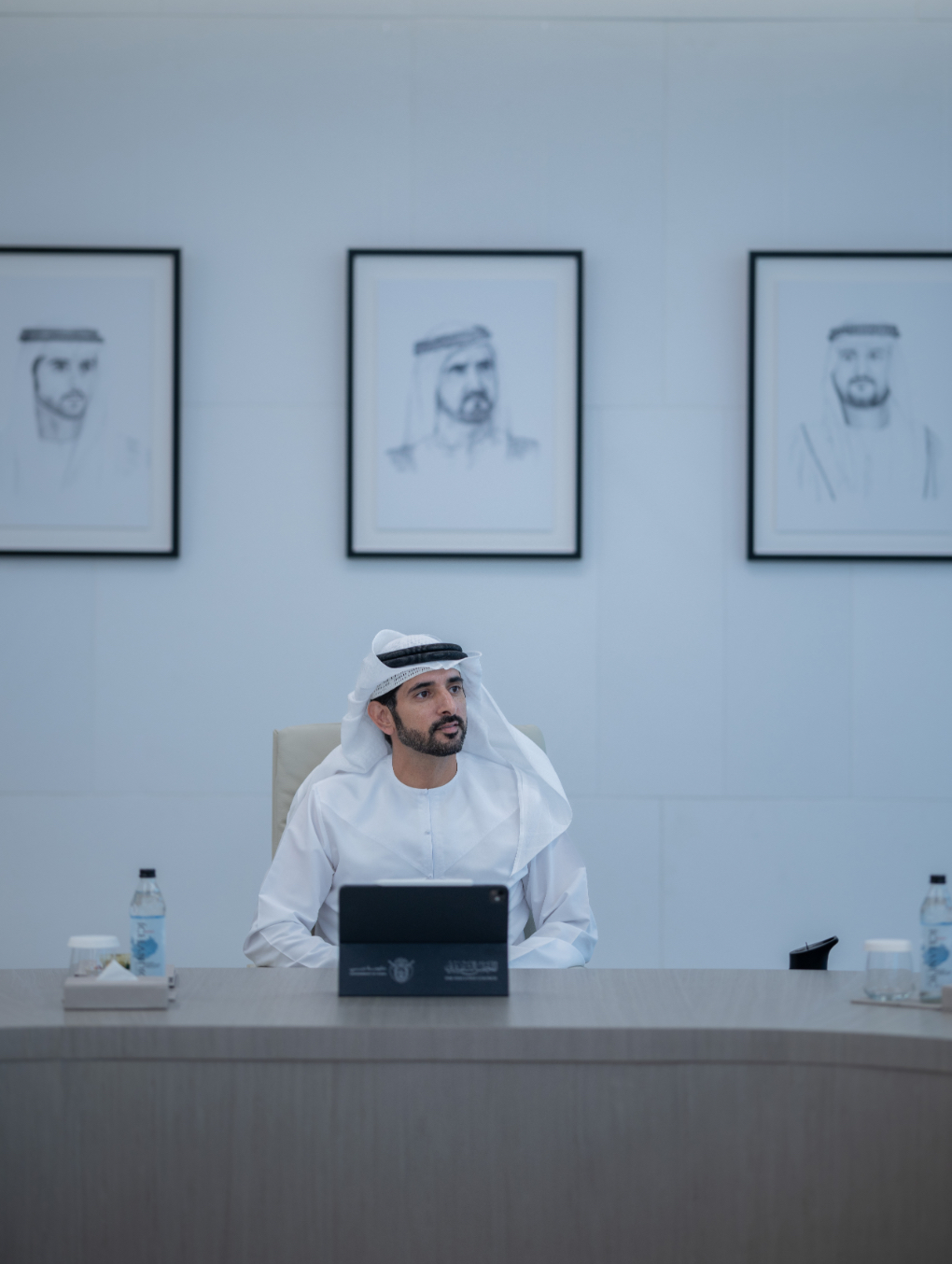
Regulatory and financial updates formed the remainder of the development package. These include the creation of a unified Dubai Investor Register to allow multi-zone operations without repetitive registration, alongside the establishment of a Global Centre for Technology and Innovation in Islamic Finance at the Dubai International Financial Centre. Furthermore, the council introduced an Emirati talent initiative targeting the placement of 3,000 United Arab Emirates nationals into private education roles by 2033, and mandated a new visual identity for municipal address signage across 186 residential zones by 2029.
Photo credits: Government of Dubai Media Office
Alexander Agafiev is former tech contributing writer for Forbes Monaco.

Alexander Agafiev