

RTA Deploys Target Traffic Improvements Across 28 Dubai Locations
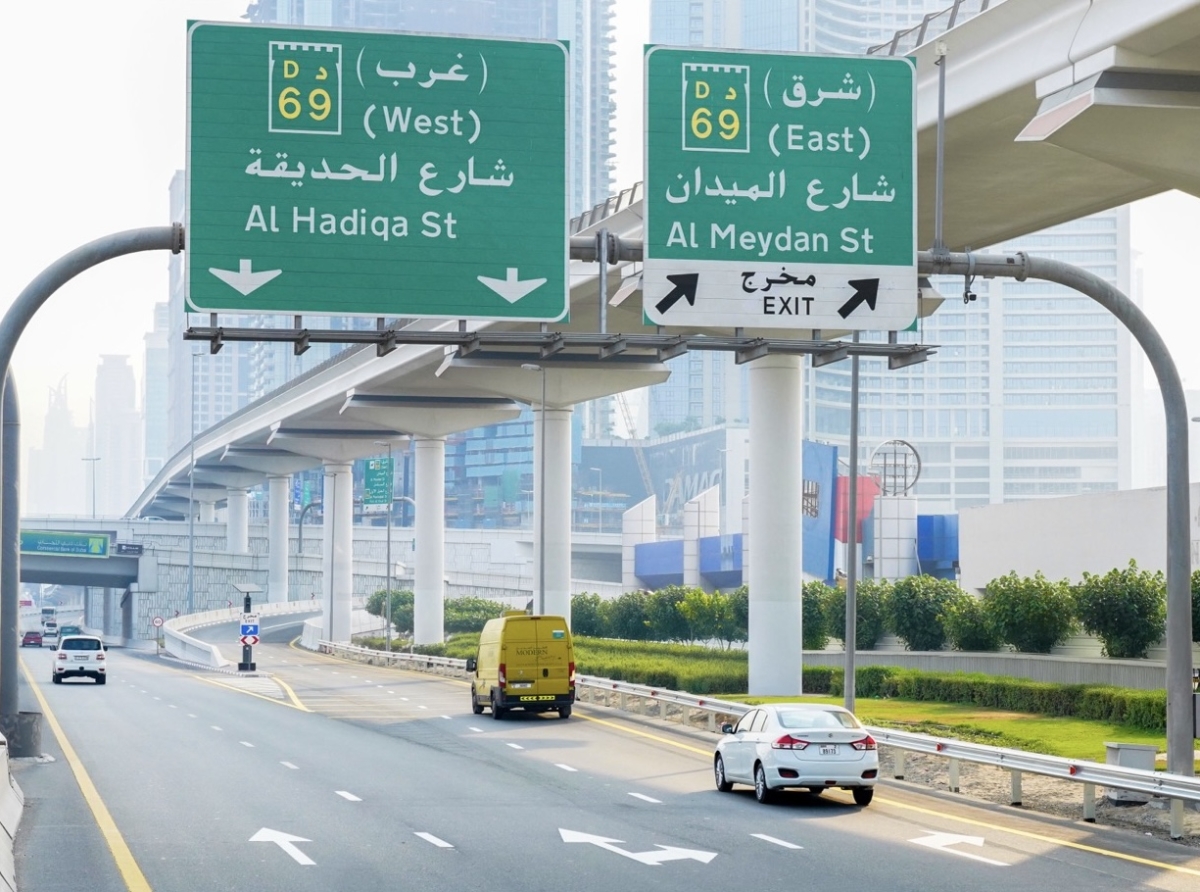
The Dubai Roads and Transport Authority (RTA) has initiated a series of targeted traffic infrastructure modifications, designated as "Quick Wins," across 28 sites in the emirate. Scheduled between July and September 2026 to coincide with lower summer traffic volumes, the projects aim to optimize road capacity, reduce transit times, and enhance safety across residential, commercial, and educational sectors. The scope of work encompasses 21 general traffic sites, three development zones, and four school zones.
Among the primary structural changes is the expansion of Emirates Road. The RTA is adding two new lanes along a five-kilometer stretch extending from the Sharjah border toward Al Amardi Street. As a critical inter-emirate corridor experiencing heavy peak-period volume, the expansion is projected to decrease peak-hour journey times by 25 percent.
Urban bottlenecks are also being addressed through localized lane additions and intersection modifications. Key interventions include efficiency upgrades at the intersection of Trade Centre Street and Marasi Drive in Business Bay, flow optimizations on Latifa Bint Hamdan Street near the Al Quoz Industrial Area, and enhancements on Ras Al Khor Road directed toward Al Khail Road. Furthermore, the right-turn transition from Ras Al Khor Road toward Dubai–Al Ain Road is being widened from one lane to two. In the Al Khawaneej and Al Mizhar areas, crews are constructing a new lane at the Al Khawaneej Street and Al Amardi Street intersection, alongside a lane expansion on Algeria Street in Al Mizhar 4.
In anticipation of the upcoming academic term, the authority is expanding infrastructure near major educational institutions to regulate peak-hour congestion. New parking facilities are under construction at the Zayed Educational Complex in Al Mizhar 2 and the Horizon International School in Umm Al Sheif to streamline vehicle arrival and departure tracking.
According to the RTA, site selection for these interventions was determined through technical field surveys, historical data analysis, intelligent transport system metrics, and municipal public feedback.
Photo credits: Government of Dubai Media Office
Andrew Shelepnytsky Andrew Shelepnytsky is an Editor of Dubai Voice.